
Hire Ground Podcast Episode 24: The Ed Comes First: Ben Kornell on AI, Talent, and Who Gets to Build
Episode 24 of Hire Ground Podcast Ben Kornell has been a teacher, school leader, school board member, edtech CEO, and investor. He calls it a “lily pad journey” instead of a career ladder. He...
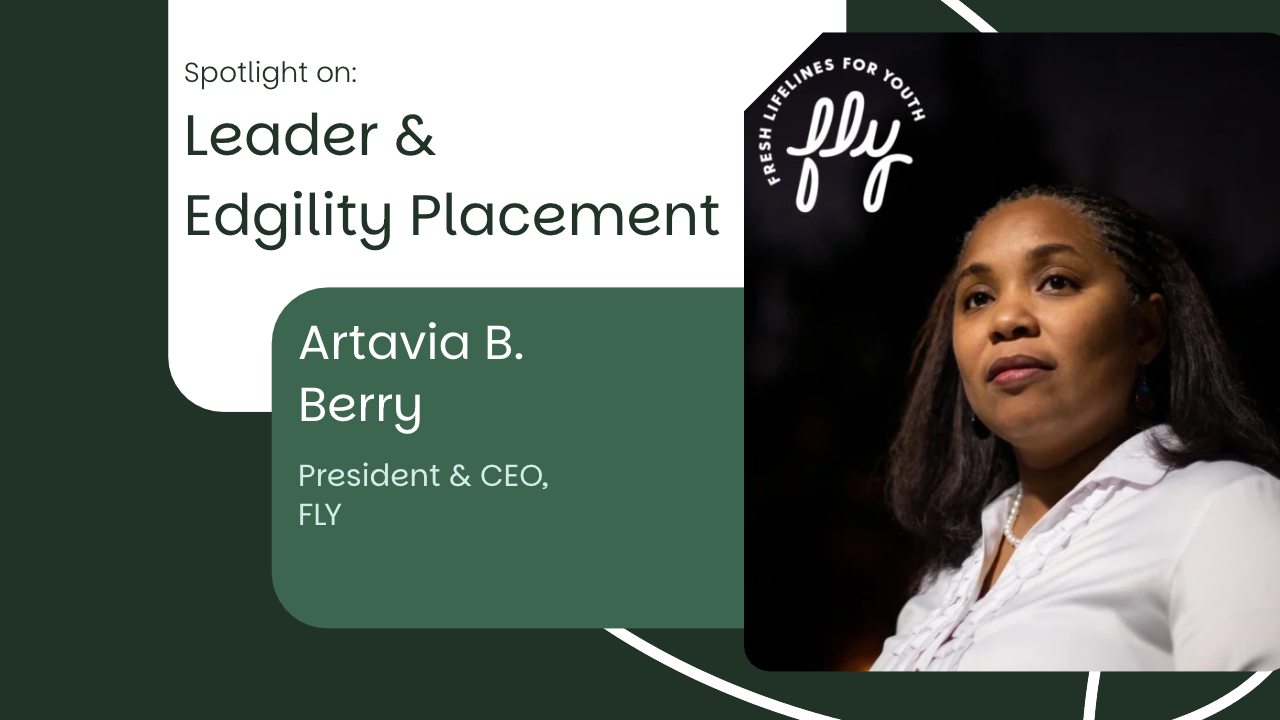
Artavia B. Berry started as President & CEO of Fresh Lifelines for Youth (FLY) on the Monday before the 2024 presidential election. Not exactly a quiet start. By Wednesday, she was leading an...

Diane Tavenner spent eight months working side by side with the person who would replace her.

Every February, some version of the same call comes in. The board chair is mostly calm but she tells us she needs to speak right away because her executive director told the board in December that he...
Episode 23 of Hire Ground Podcast The playbook has been written on the for-profit side. It just hasn't been read on the nonprofit side.
Episode 22 of Hire Ground Podcast "Our greatest responsibility as a leader leaving is creating the conditions for success for whoever comes next." Diane Tavenner has done the thing most founders...
Ten years is a long time to spend in any one place, in any one field. However, looking back on a decade at Edgility, it feels like it happened in a flash. What strikes me most, in this moment of...
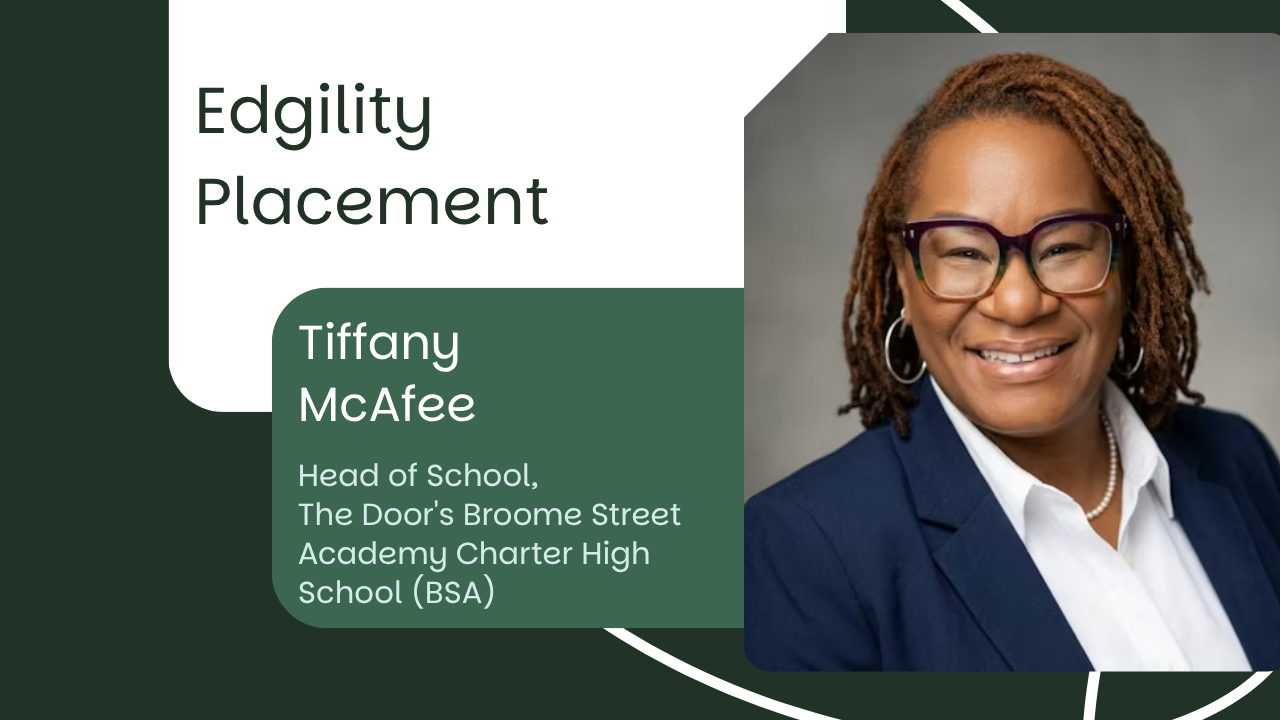
Since its founding, Broome Street Academy Charter High School (BSA) has stood as a cornerstone of The Door's mission: a place where young people who have faced instability and disrupted paths can...
Season 2 Premier: Episode 21 of Hire Ground Podcast "Either you hired the wrong CEO, or you need to take a step back as a board." Irene Shih has sat on both sides of the governance table, as...

It is a scene all too common to executive search leads. A few months into a CEO search, if the process has not been carefully managed or facilitated, committee members can start to lose energy and...

Every executive search begins with the same question: what kind of leader does this organization need next?

Last quarter, we ran a CEO search that drew more than 200 applicants in the first three days. On paper, it looked like an embarrassment of riches. In practice, AI had already made several of the...
We recently closed 35 executive searches in a single season, and the same story kept repeating itself, board after board. A founder or long-tenured leader was stepping away, and the organization...

Unlike most founders of small professional services firms, I made a bet early on that operational rigor was a prerequisite for staying small and excellent, and wasn't something to bolt on later when...
Season 1 Finale: Episode 20 ofHire Ground Podcast Season 1 of Hire Ground started last August and ran the full length of the hiring season. In this finale, Christina Greenberg and Josh Czupryk...
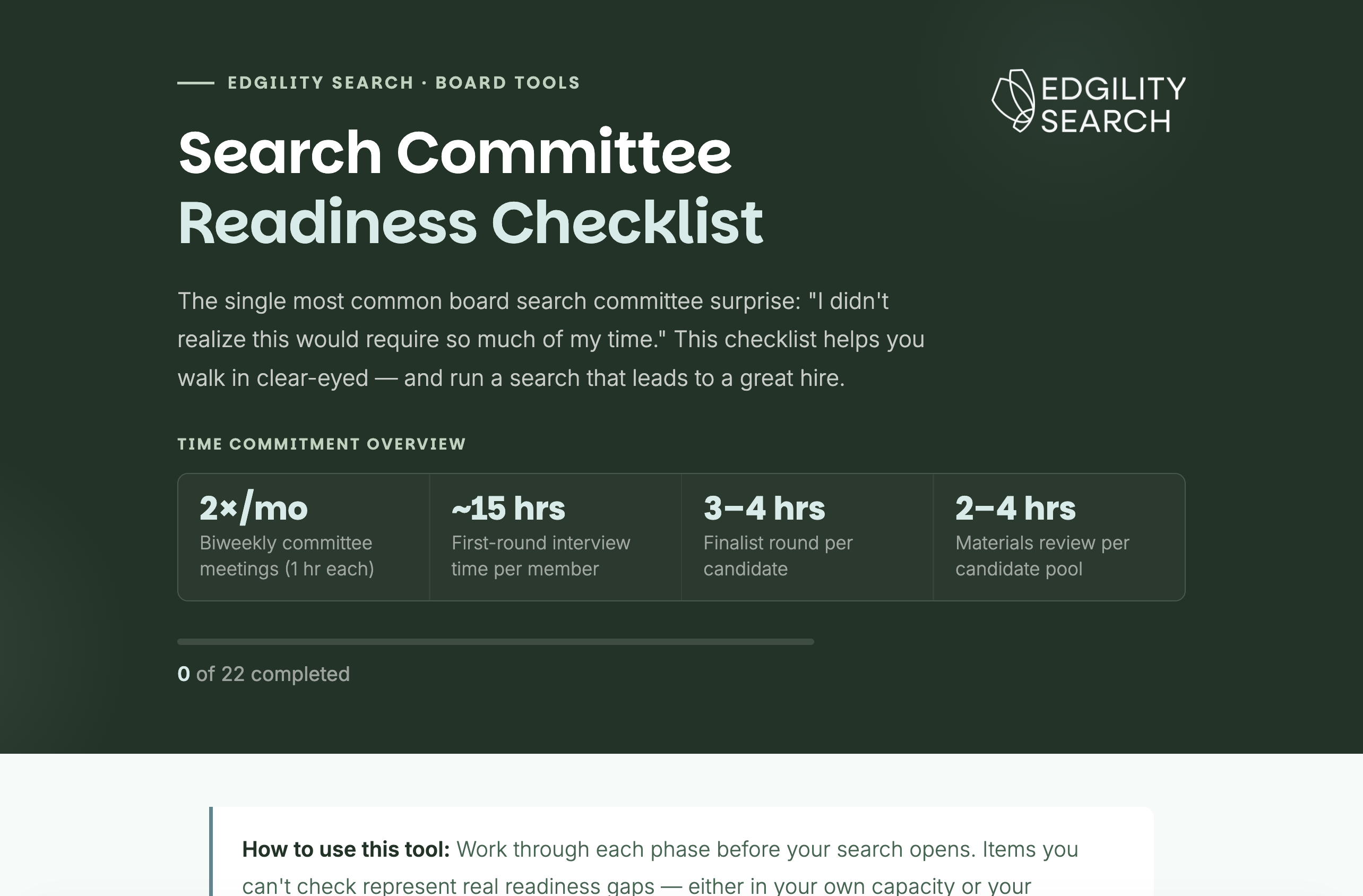
The single thing board members tell us most often after a search: "I didn't realize this would require so much of my time." It's the surprise that precedes almost every rushed finalist decision,...
There's a question almost every board skips at the start of an executive search: not "who do we need?" but "what kind of leader does this moment actually require?"
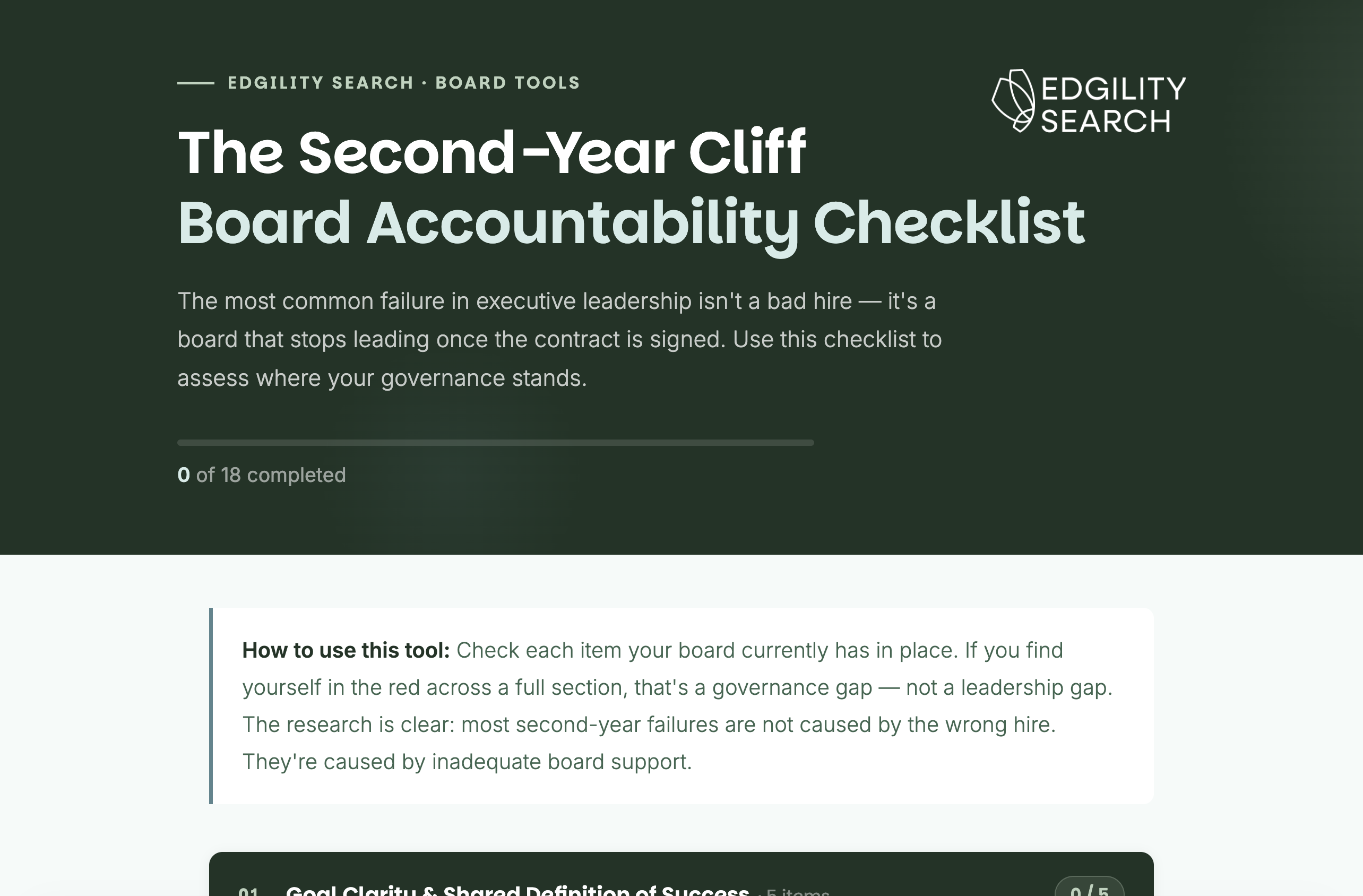
There's a pattern we see in executive transitions that boards rarely talk about. Year one goes well. The leader settles in, relationships are built, no major fires erupt. The board exhales. Then,...

Every hiring season has a tell. This year, candidates are watching you as closely as you're watching them, and they're drawing conclusions long before the offer stage.
Episode 3 of The Ground Floor Podcast What does it take to lead — and to keep leaders — when nonprofits and schools are navigating more uncertainty than ever before? In this episode of The Ground...

The first year looks like success. Relationships are built. There are no major fires. Staff are relieved. The board is pleased. Sometime around month 10, most boards exhale and think: We made a good...
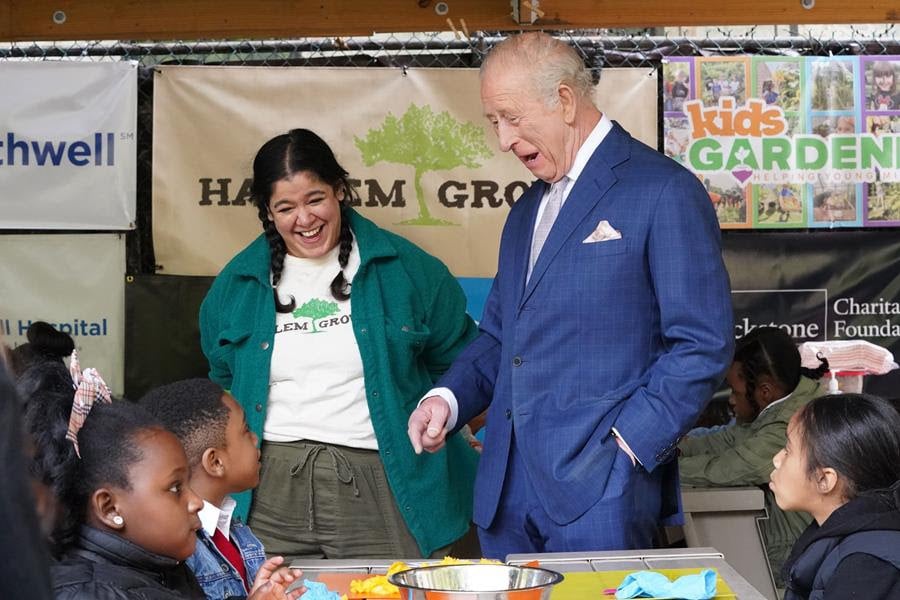
This week in New York, King Charles knelt in the soil at a community farm on 134th Street and helped a group of Harlem kids plant lavender. One of the children asked what he'd name his plant. He...
Episode 2 of The Ground Floor Podcast What if the strategic plan everyone's been waiting on is the very thing keeping your organization stuck? In this episode of The Ground Floor podcast, Christina...
Episode 1 of The Ground Floor Podcast What happens to the leaders of tomorrow if AI is quietly eliminating the entry-level jobs that used to build them? In this inaugural episode of The Ground Floor,

The number that stopped me wasn't 53%.
Episode 17 ofHire Ground Podcast with Michael Moore The Education System has a consistency problem. In this episode of Hire Ground, Christina Greenberg and Josh Czupryk sit down with a true titan of...
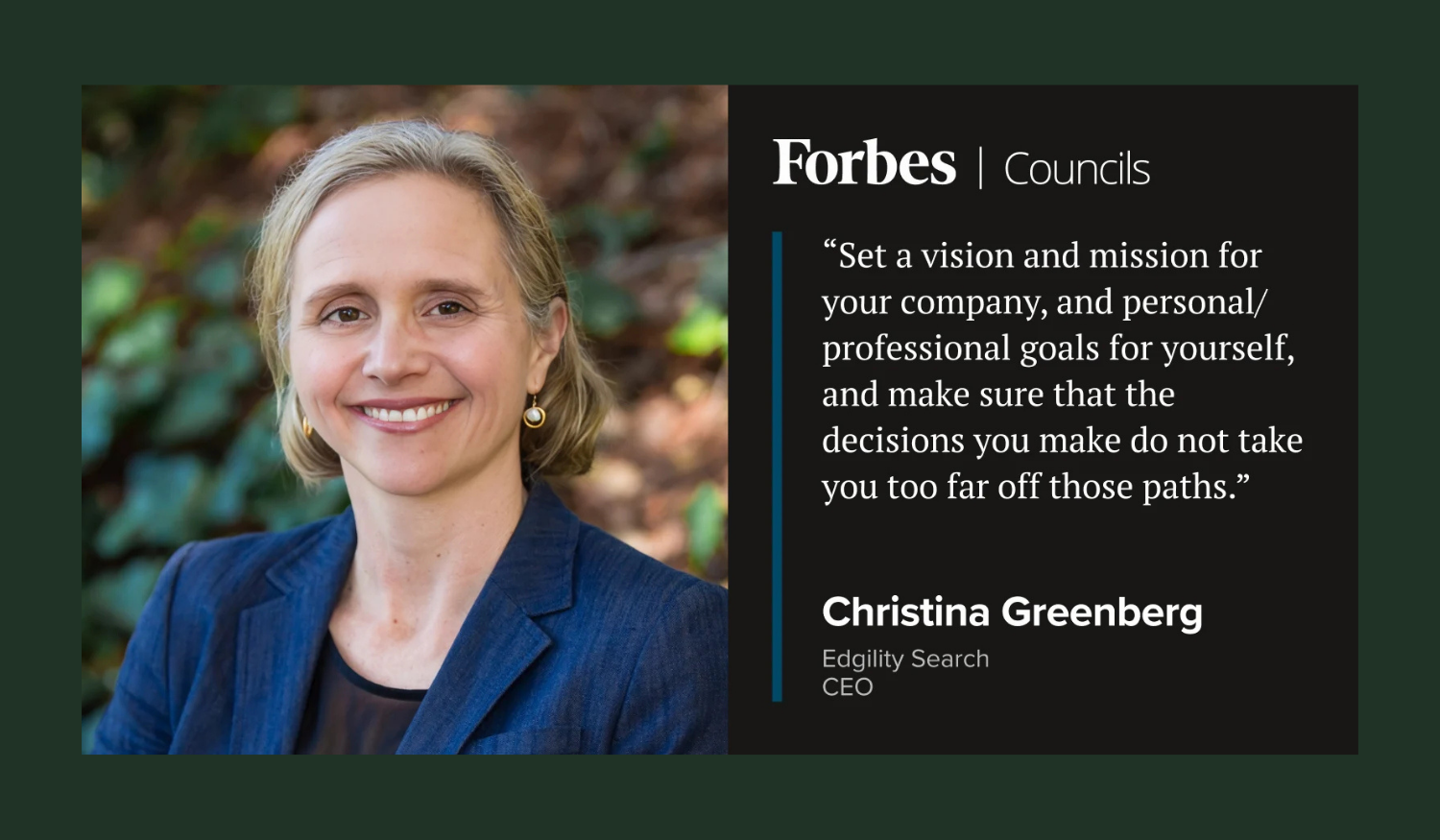
When Christina Greenberg, Forbes Business Council member, looked at the executive search landscape serving nonprofits and schools, she saw a field defined by extremes: solo practitioners on one end...
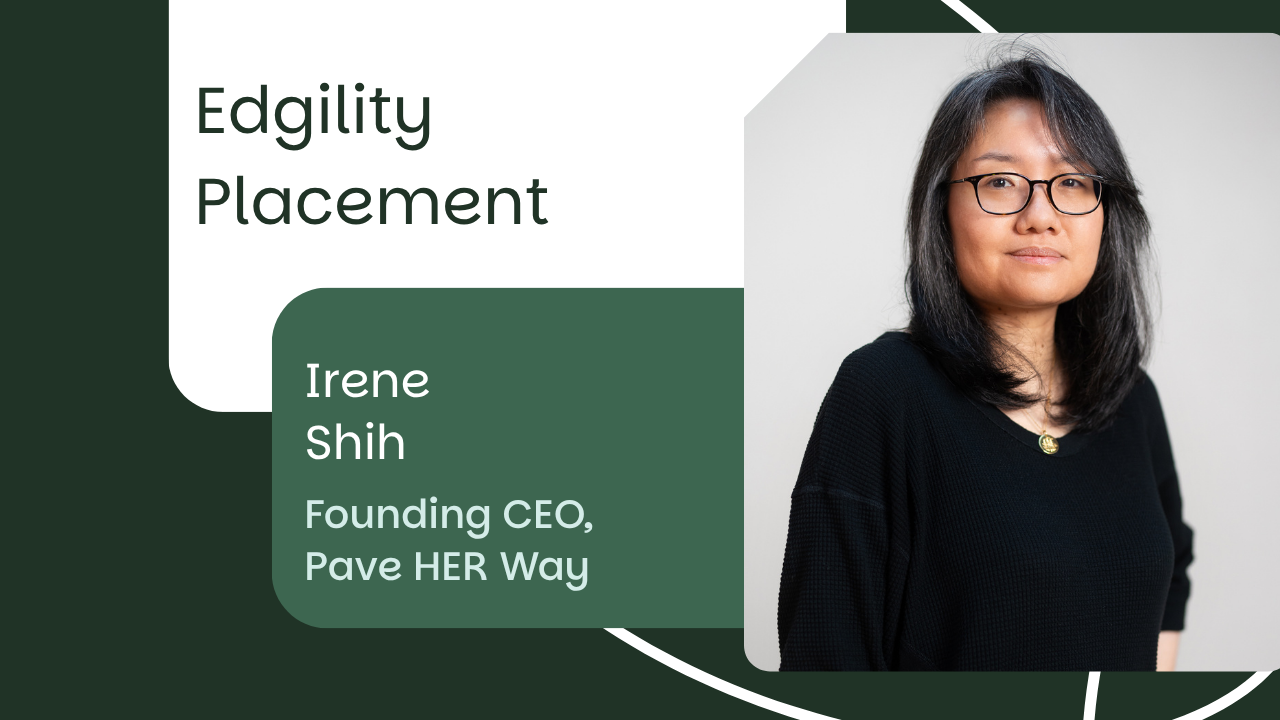
A new organization, and a leader built for exactly this moment. When a nonprofit is just beginning, its first CEO isn’t just an executive hire. That person is the backbone of the organization, and...
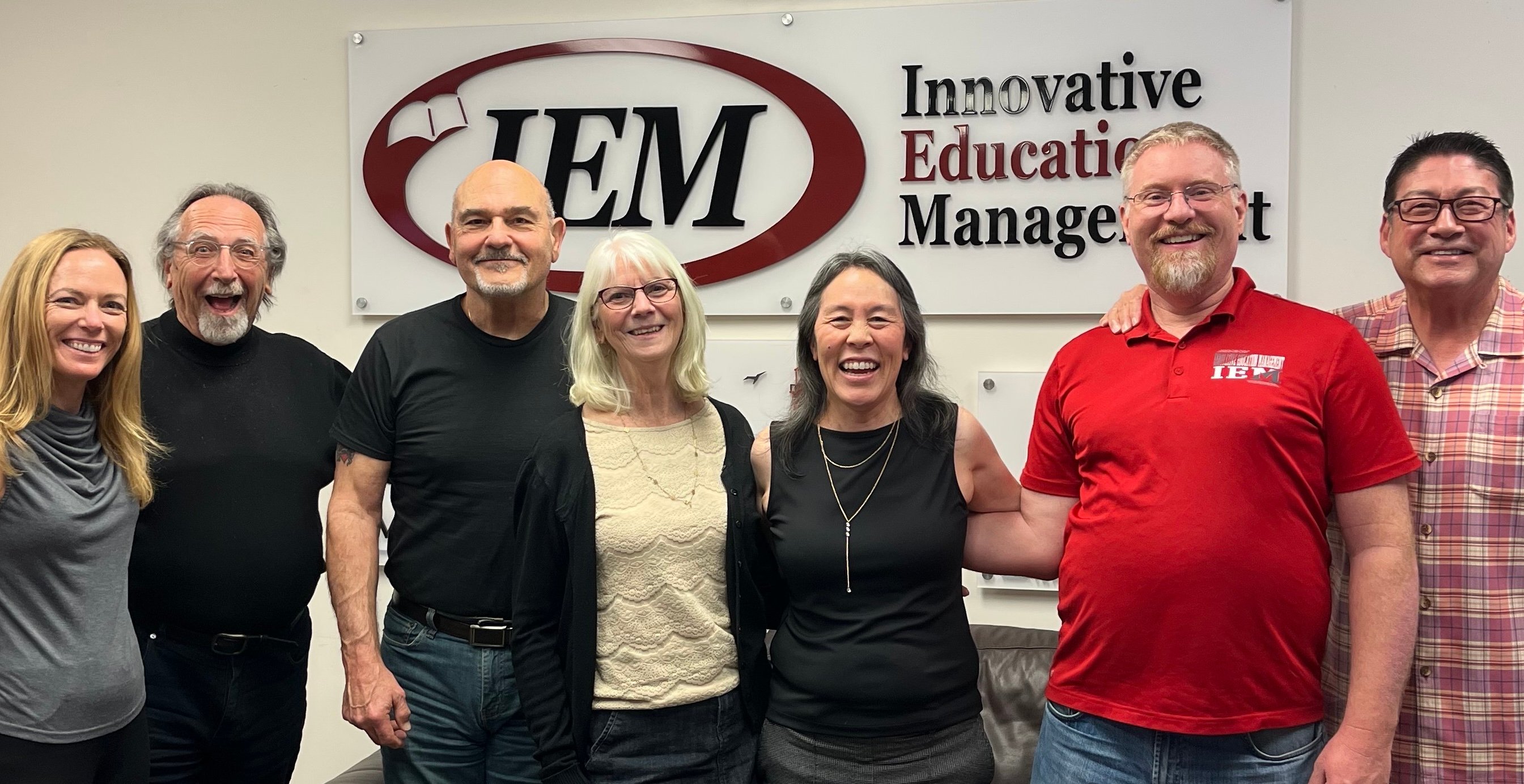
Episode 17 ofHire Ground Podcast with Brent Bushey

Founders transitions should serve as opportunities. After placing leaders into founder-led organizations and staying close to them well beyond their start date, I’ve noticed a consistent pattern: the...

I know how hard it is to be a nonprofit board member and volunteer. I've been one for almost two decades. Nonprofit board members devote hours of their time, without any financial compensation (in...
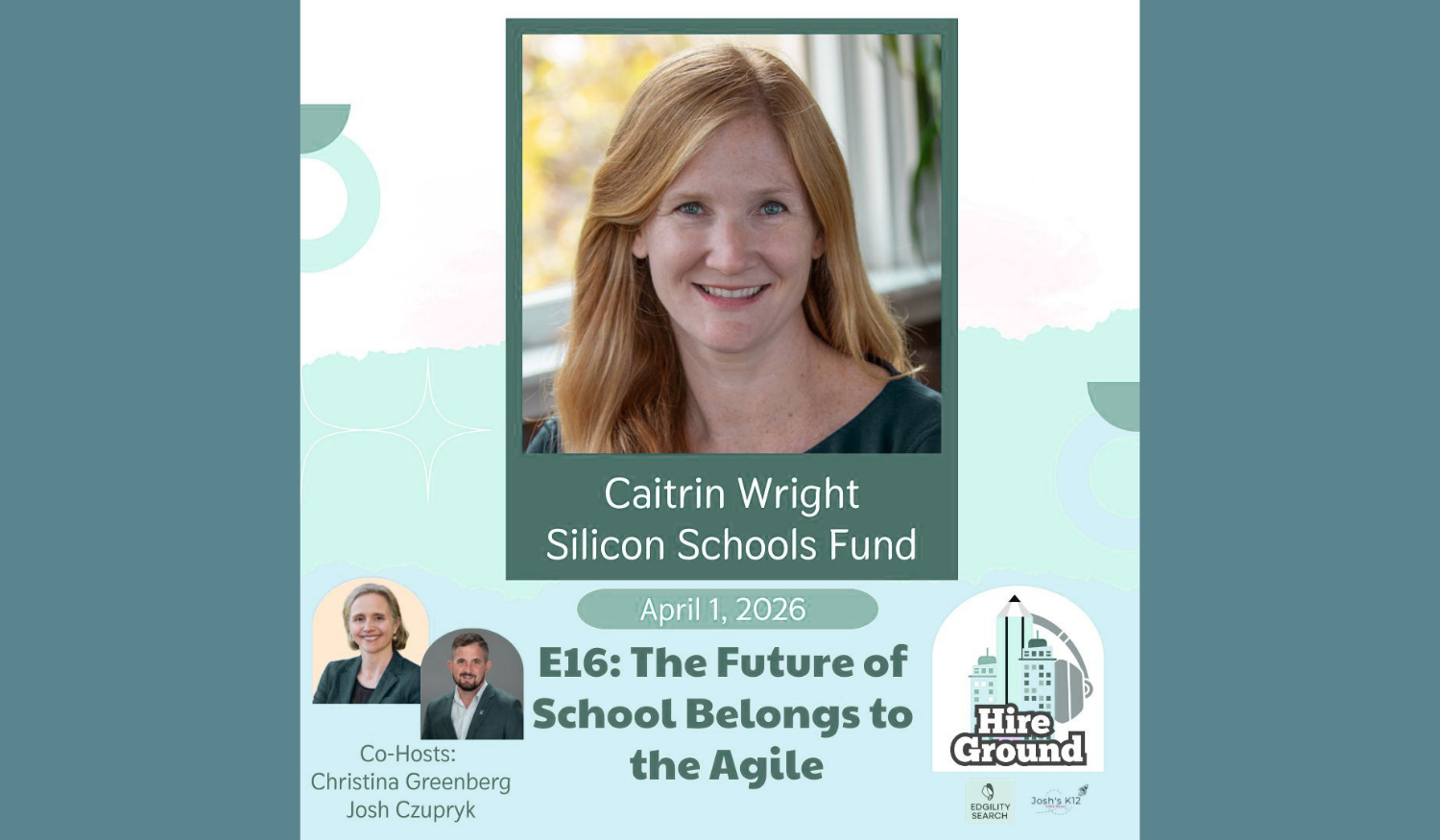
Episode 16 of Hire Ground Podcast In this episode, host, Christina Greenberg, and guest, Caitrin Wright, CEO of Silicon Schools Fund, explorewhat great school leadership looks like at a moment when...
Episode 15 ofHire Ground Podcast with Dacia Toll

This will be controversial, but here goes. “Culture fit” is one of the most problematic frames people use in making hiring decisions. In my two decades as a recruiter, I’ve never seen it make a...
.png)
Episode 14 of Hire Ground Podcast In this episode, hosts Christina Greenberg and Josh Czupryk explore how residency-based teacher training programs can tackle the growing teacher shortage - without...

Women aren't in the shadows because they lack ambition. They're there because we keep dimming the lights.

Women Aren't Lagging Behind in AI. They're Leading Ahead. Women C-suite executives generate nearly three times the return from digital transformation as their male counterparts. Three times. That's...

I was meeting with a founder who had built an impressive organization. Fundraising and earned revenue were growing, partners and funders were happy and their programs were best-in-class. But the team...

At Edgility Search, we believe leadership matters — not just in the organizations we serve, but in how we show up in the broader field. That's why we're thrilled to share that our founder and CEO,...

We spend a lot of time in our sector diagnosing nonprofit culture problems. We see that staff burnout leads to high turnover and talent shortages. We explain that lack of a sustainable financial...
%20Featured%20Blog%20Image%20(1200%20x620)-1.png)
When the process is right, the results follow. Here is what four years of data shows. Over the past four years, Edgility Search has placed over 225 leaders across more than 115 education, nonprofit...

Episode 13 ofHire Ground Podcast with JoAnn Gama In this episode of Hire Ground, hosts Christina Greenberg and Josh Czupryk sit down with JoAnn Gama, founder of GEMS (Gama Education Management...

Over the past few years, I've had more conversations than I can count that start the same way:
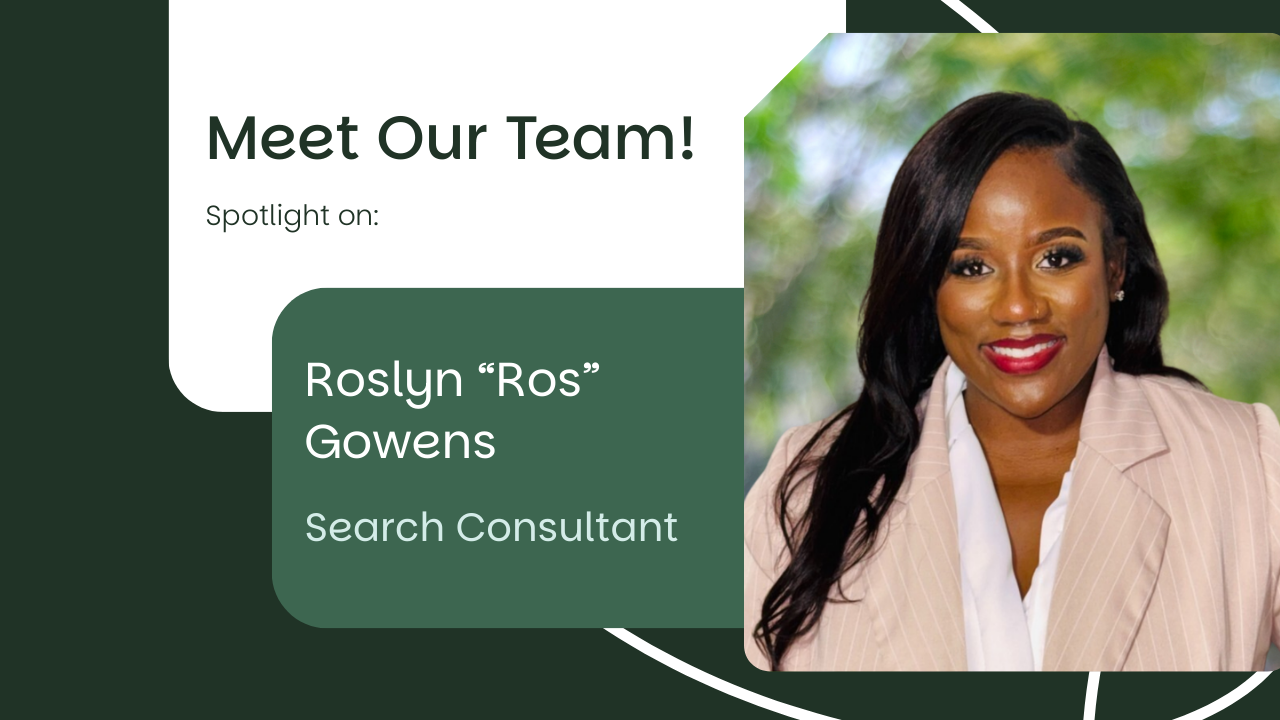
The Edgility team has been doing this work long enough to know when someone truly gets it.
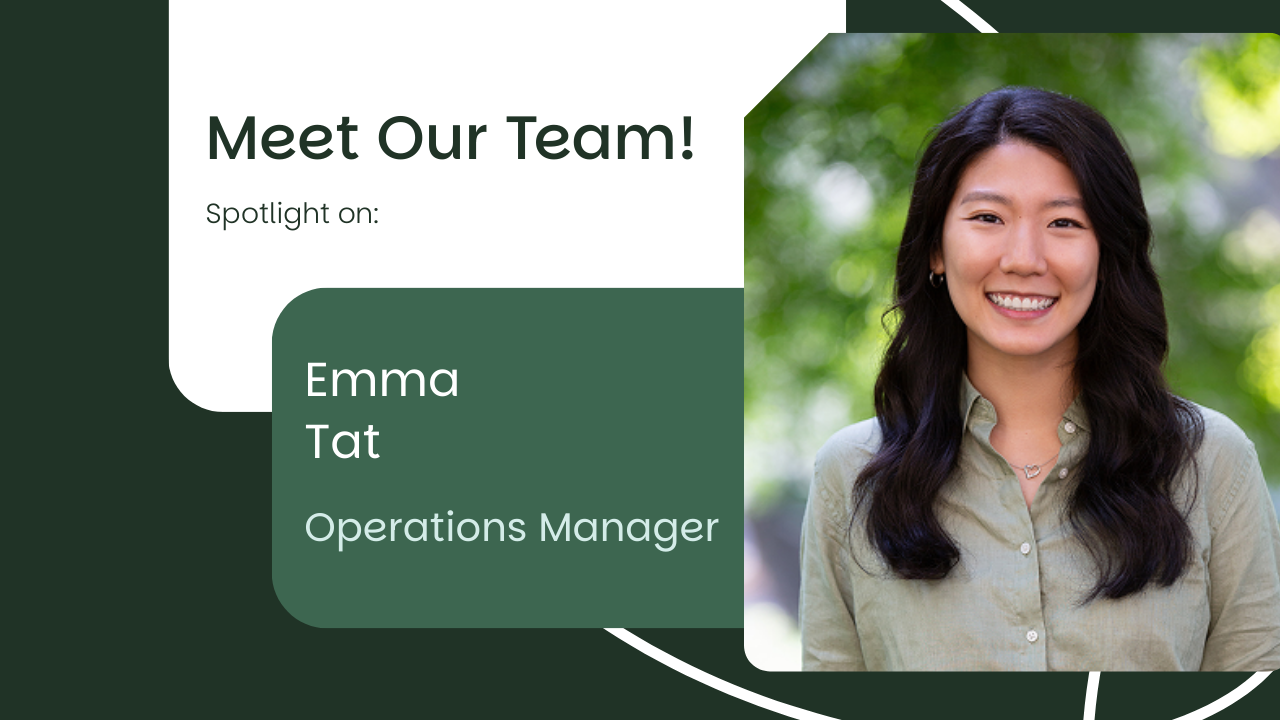
At Edgility, we believe exceptional executive search is powered by more than expertise—it’s grounded in trust, relationships, and operational excellence. Since joining Edgility in 2021, Emma Tat has...

I know this might make some nonprofit leaders and board members uncomfortable but it has to be said: Mission alone is no longer a compelling employee value proposition.
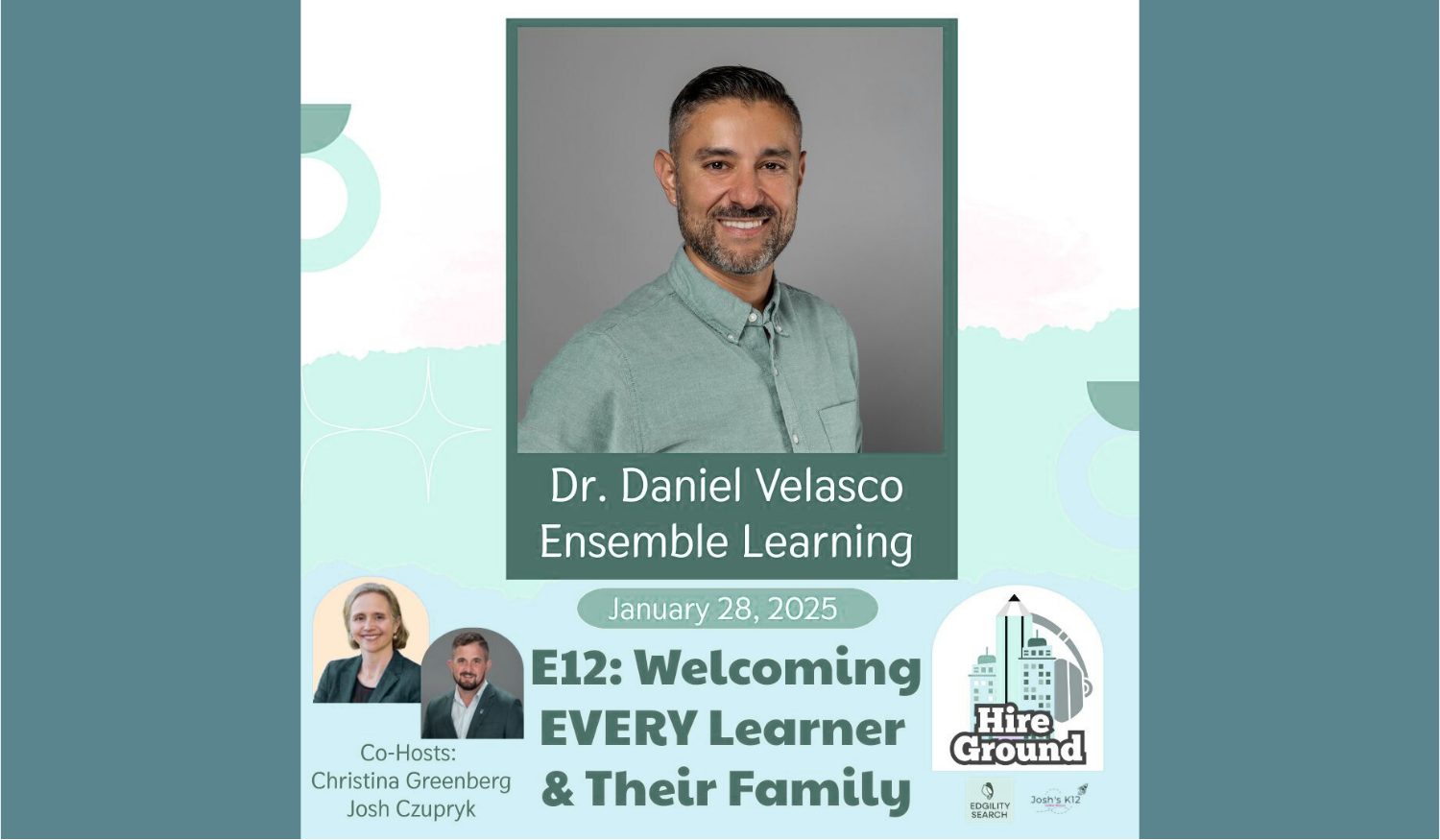
Episode 12 ofHire Ground Podcast with Dr. Daniel Velasco In this episode of Hire Ground, host Josh Czupryk sits down with Dr. Daniel Velasco, President and CEO of Ensemble Learning, for a practical,...
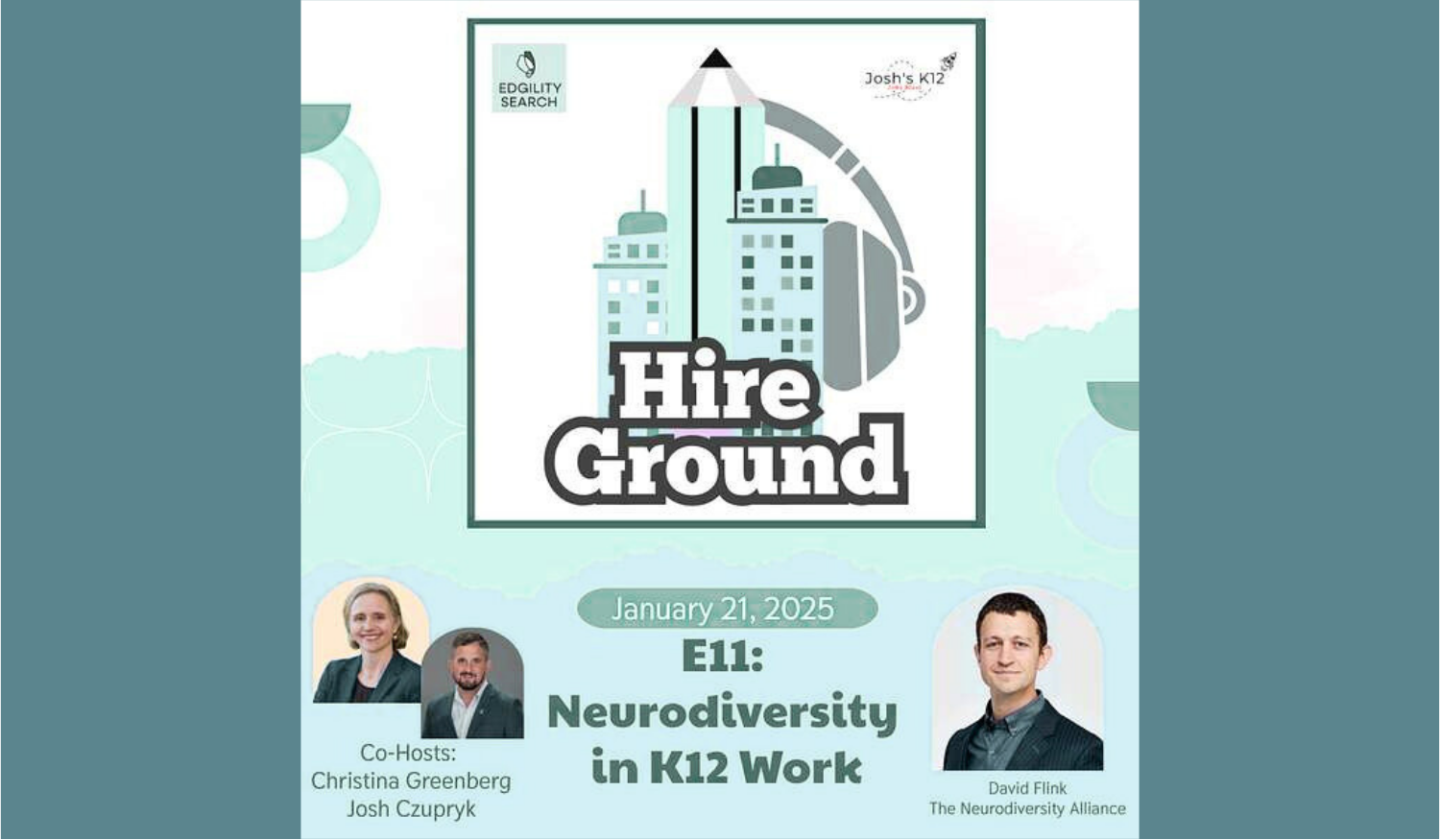
Episode 11 ofHire Ground Podcast with David Flink In this episode of Hire Ground, hosts Christina Greenberg and Josh Czupryk explore the transformative power of neurodiversity in K12 leadership and...
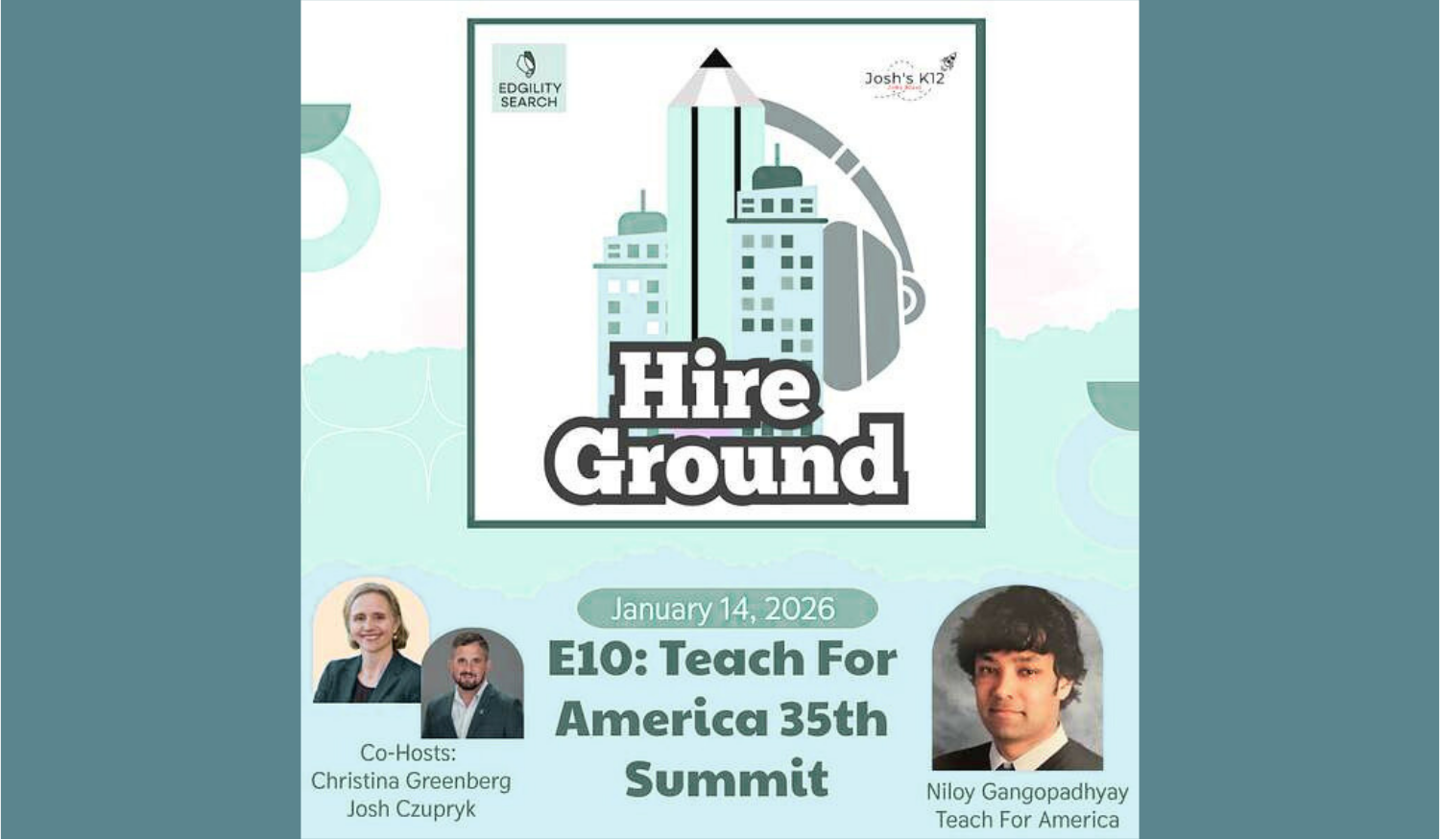
Episode 10 ofHire Ground Podcast with Niloy Gangopadhyay In this episode of Hire Ground, host Josh Czupryk speaks with Niloy Gangopadhyay, Vice President for Teach For America's 35th Anniversary...

Since 2000, Opportunity Junction has been guided by a clear and enduring belief, “everyone who works hard deserves the opportunity to succeed.” Serving Contra Costa County, the organization provides...
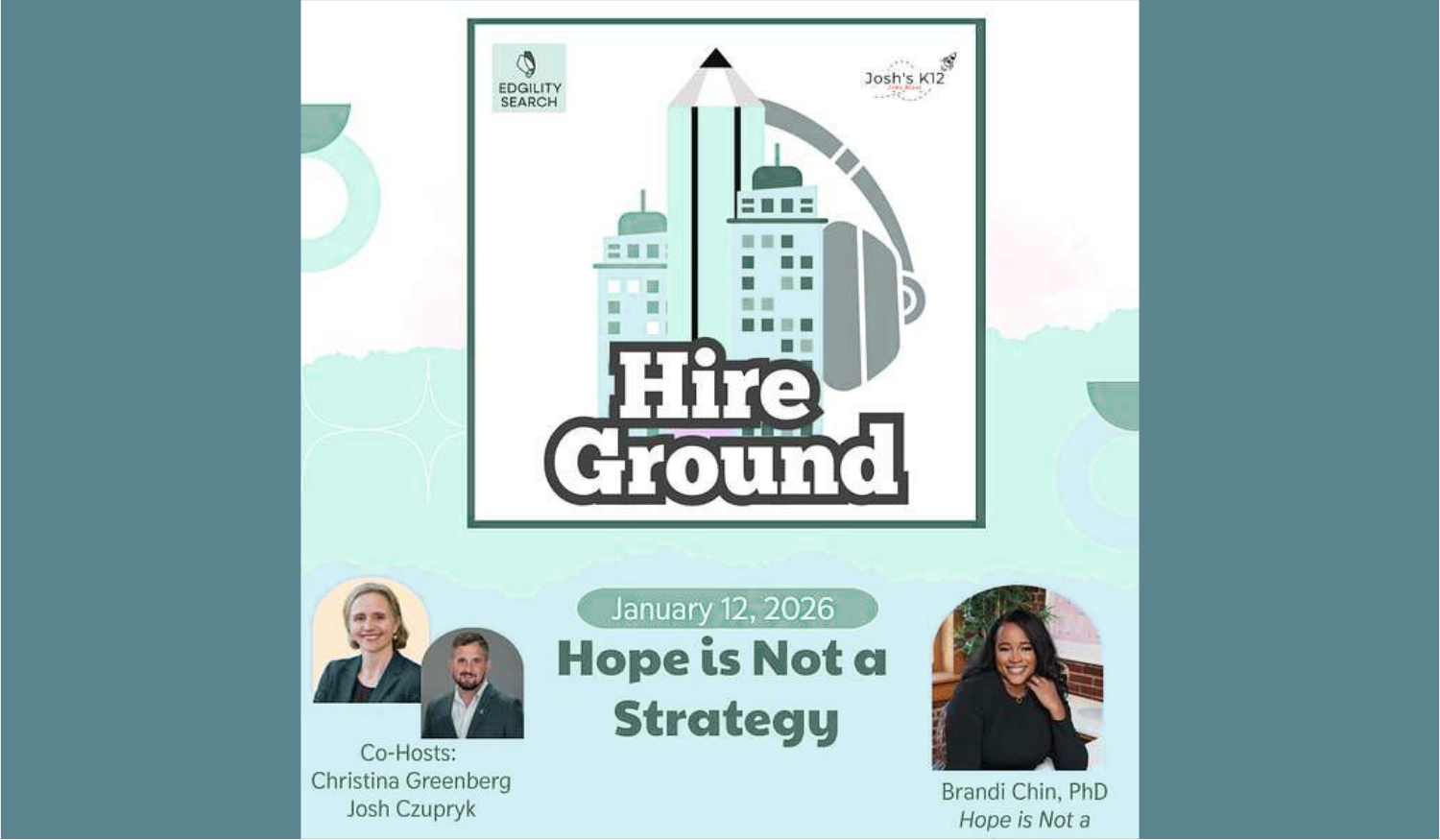
Special Episode of ofHire Ground Podcast withDr. Brandi Nicole Chin In this special episode of Hire Ground, host Josh Czupryk sits down with Dr. Brandi Nicole Chin from the Opportunity Trust to...
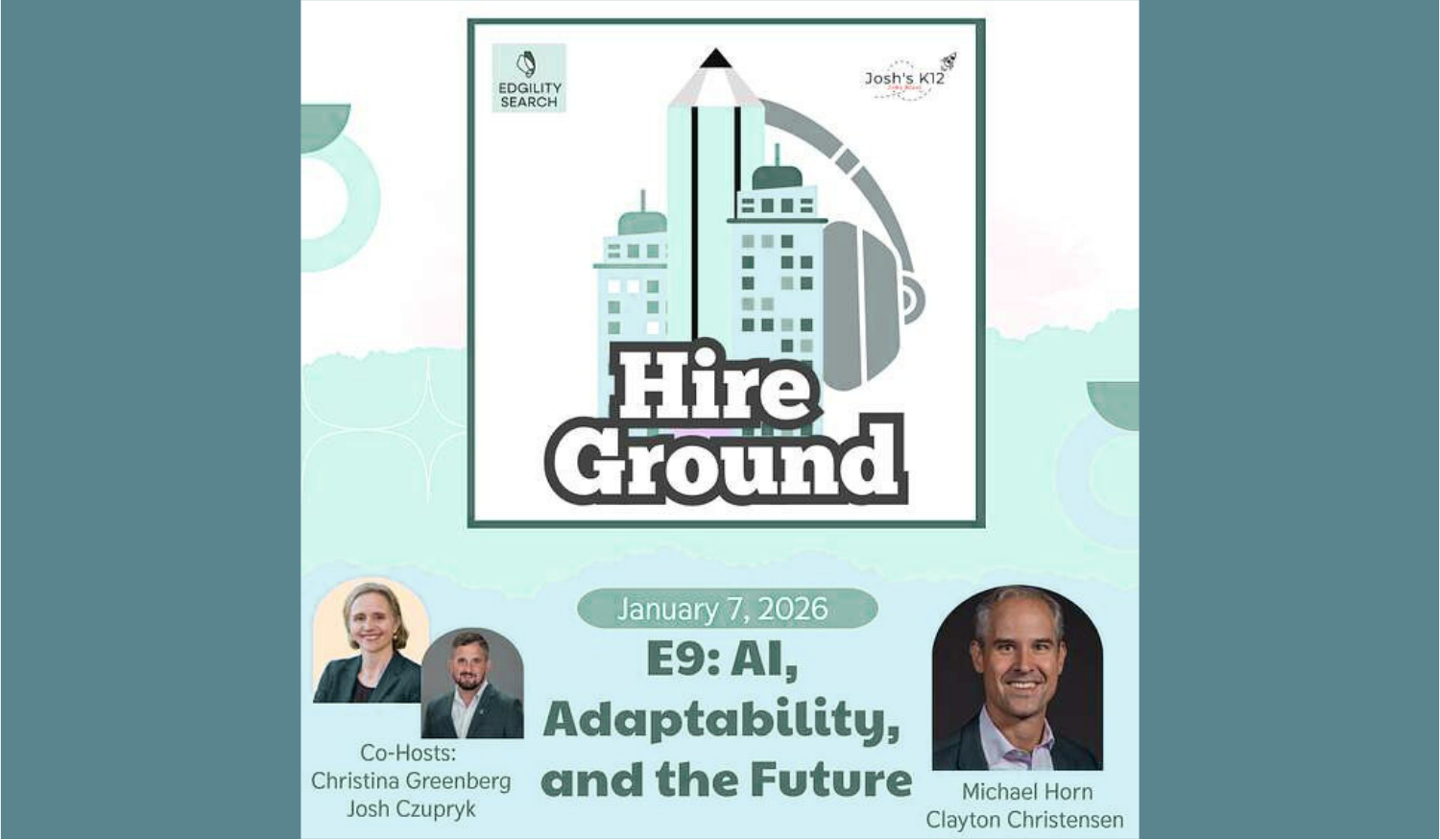
Episode 9 ofHire Ground Podcast with Michael Horn In this episode of Hire Ground, hosts Christina Greenberg and Josh Czupryk explore the transformative impact of AI on K12 education and leadership....
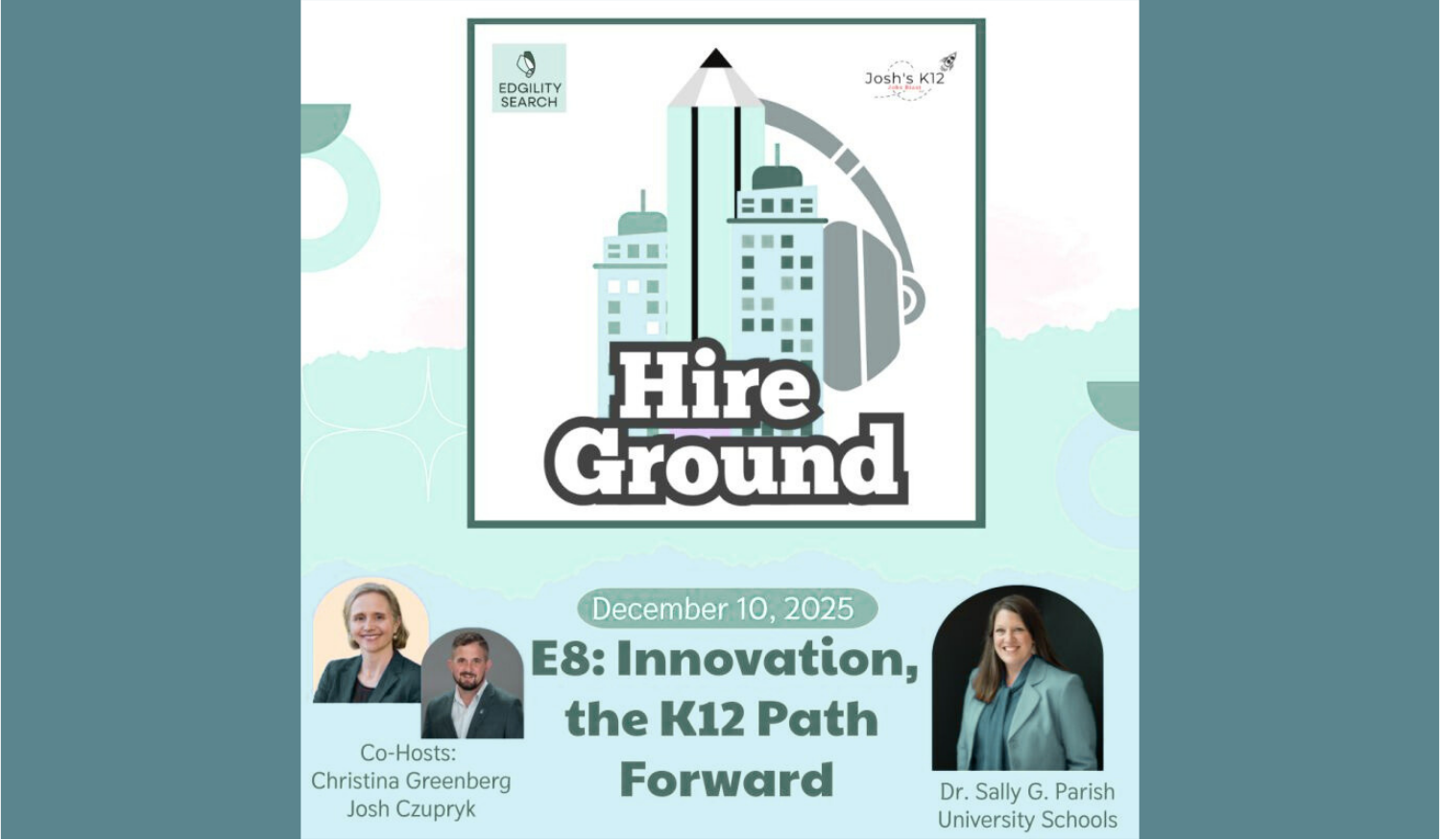
Episode 8 ofHire Ground Podcast withDr. Sally G. Parish Faculty are leaving the profession in record numbers - but some schools are bucking the trend. In Episode 8 of Hire Ground, host Christina...
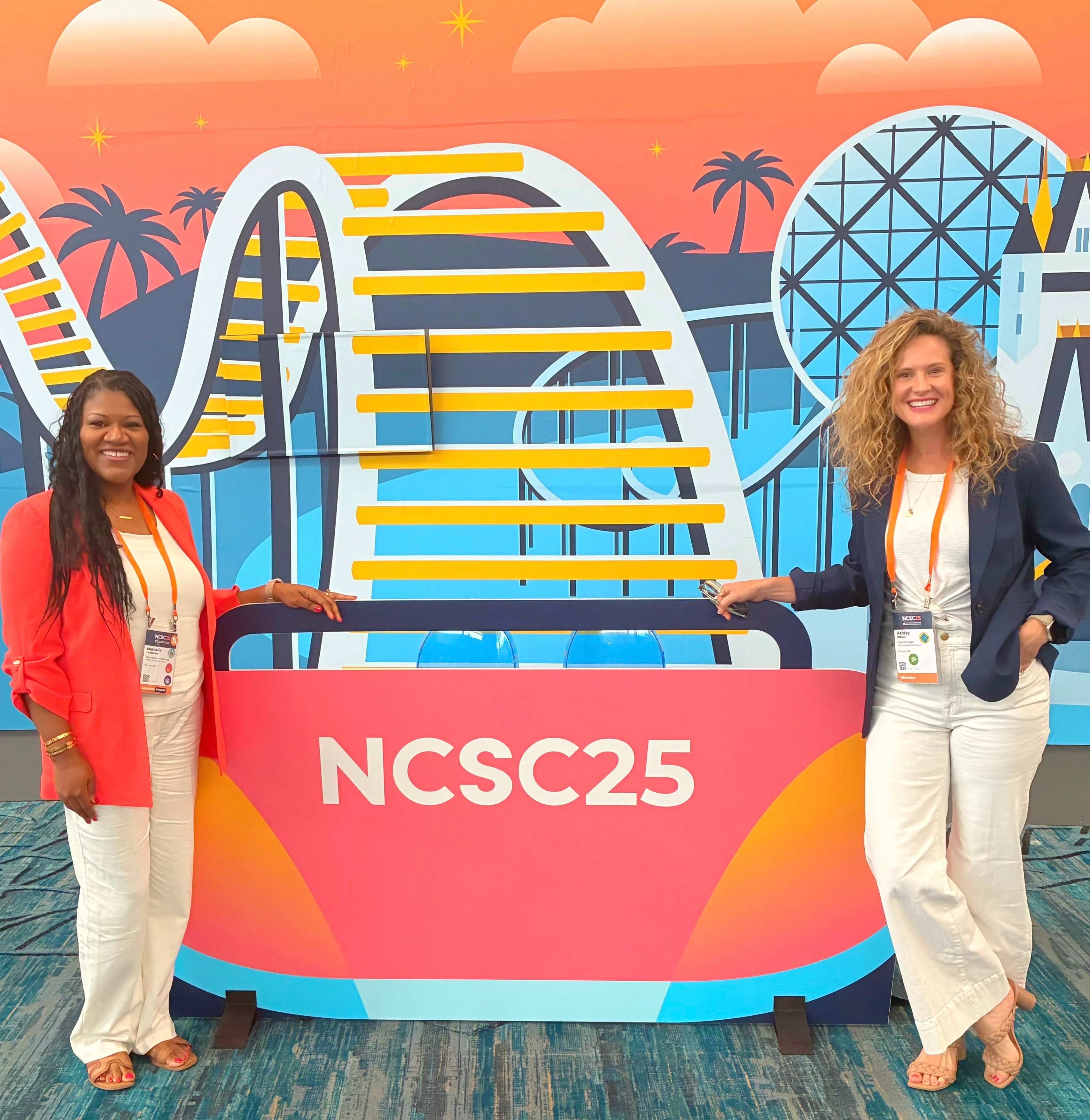
A New Chapter for KIPP St. Louis: Welcoming Dr. Nathalie Henderson as CEO This year marked a historic moment for KIPP St. Louis: the public charter school organization launched its first CEO search...
Episode 7 ofHire Ground Podcast with Kimi Kean In this episode of Hire Ground, hosts Christina Greenberg and Josh Czupryk dive into the power of community engagement in K12 leadership. Drawing from...
Episode 6 ofHire Ground Podcast with Eric Hirsch In this episode of Hire Ground, hosts Christina Greenberg and Josh Czupryk sit down with Eric Hirsch, CEO of Ed Reports, to explore how high-quality...
This summer, as I was thinking through how to tell our Edgility Search story with Jonathan Schorr, Amirah Raveneau-Bey and Hadley Kornacki, the team was encouraging me to record short-form videos of...
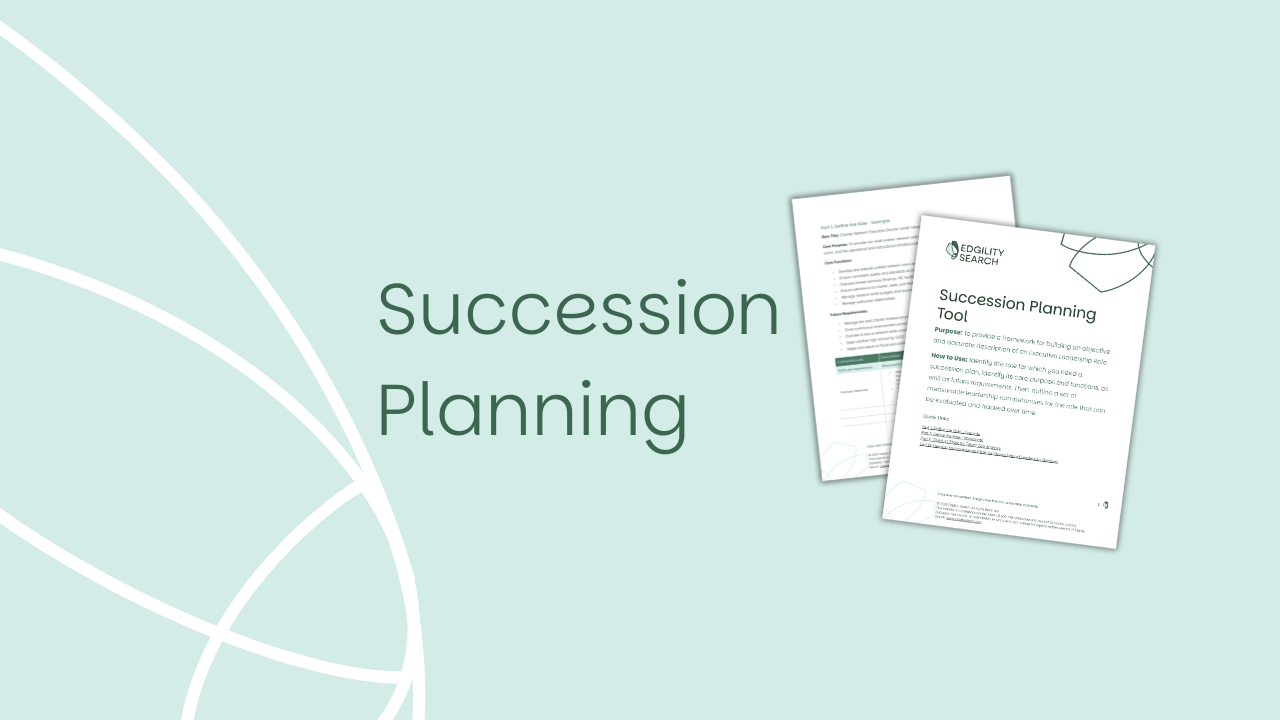
Leadership transitions are inevitable, but too often they happen in a rush. A key leader leaves, and organizations scramble to respond — often without a clear sense of what success in that role...
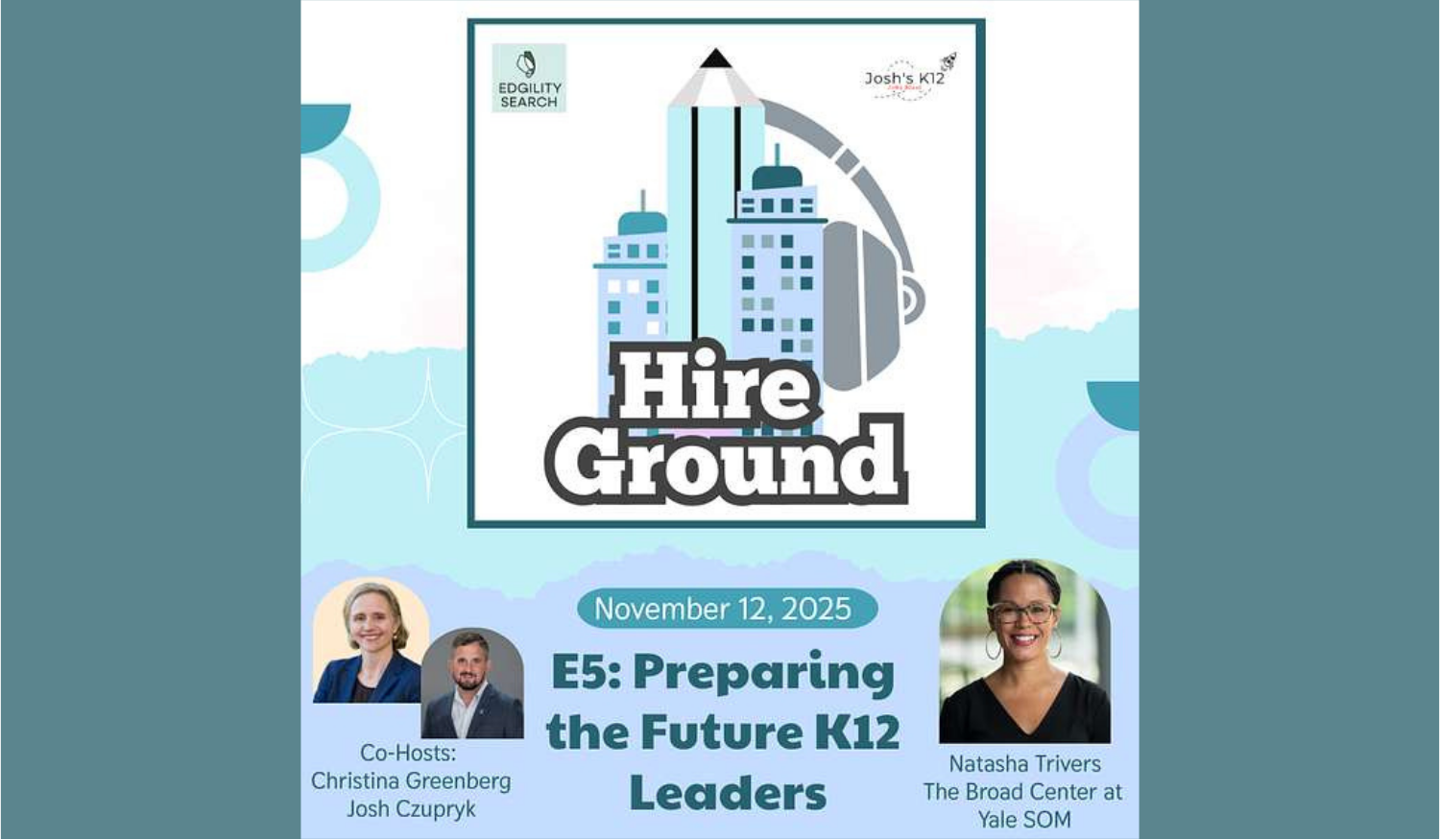
Episode 5 ofHire Ground Podcast with Natasha Trivers In this episode of Hire Ground, hosts Christina Greenberg and Josh Czupryk tackle the growing crisis of leadership fatigue in K12 education. With...

Leadership transitions are pivotal moments for mission-driven organizations. In my previous post, I strongly encouraged leadership that this season must be different, that the time has come to shift...

At Edgility Search, we know the right leader can transform not only a school but also the community it serves. Our partnership with Education for Change Public Schools (EFC) in Oakland has helped...

Episode 4 ofHire Ground Podcast with Kunjan Narechania The political landscape in K12 education is more complex than ever, influencing classrooms, schools, districts, networks, and state-level...
Episode 3 ofHire Ground Podcast with Eric Thomas The K12 Leadership Profile has shifted since COVID. Can a leader compartmentalize? Can the communicate with clarity? Can they manage the external...

At Edgility, we’re always listening—to clients, to candidates, and to the trends shaping the talent market. In this conversation, Christina Greenberg (CEO, Edgility Search) and Naomi Roth-Gaudette...

A principal transition is a pivotal moment for any school, with the potential to significantly impact staff, students, and families. Learn how to craft a comprehensive transition plan that...
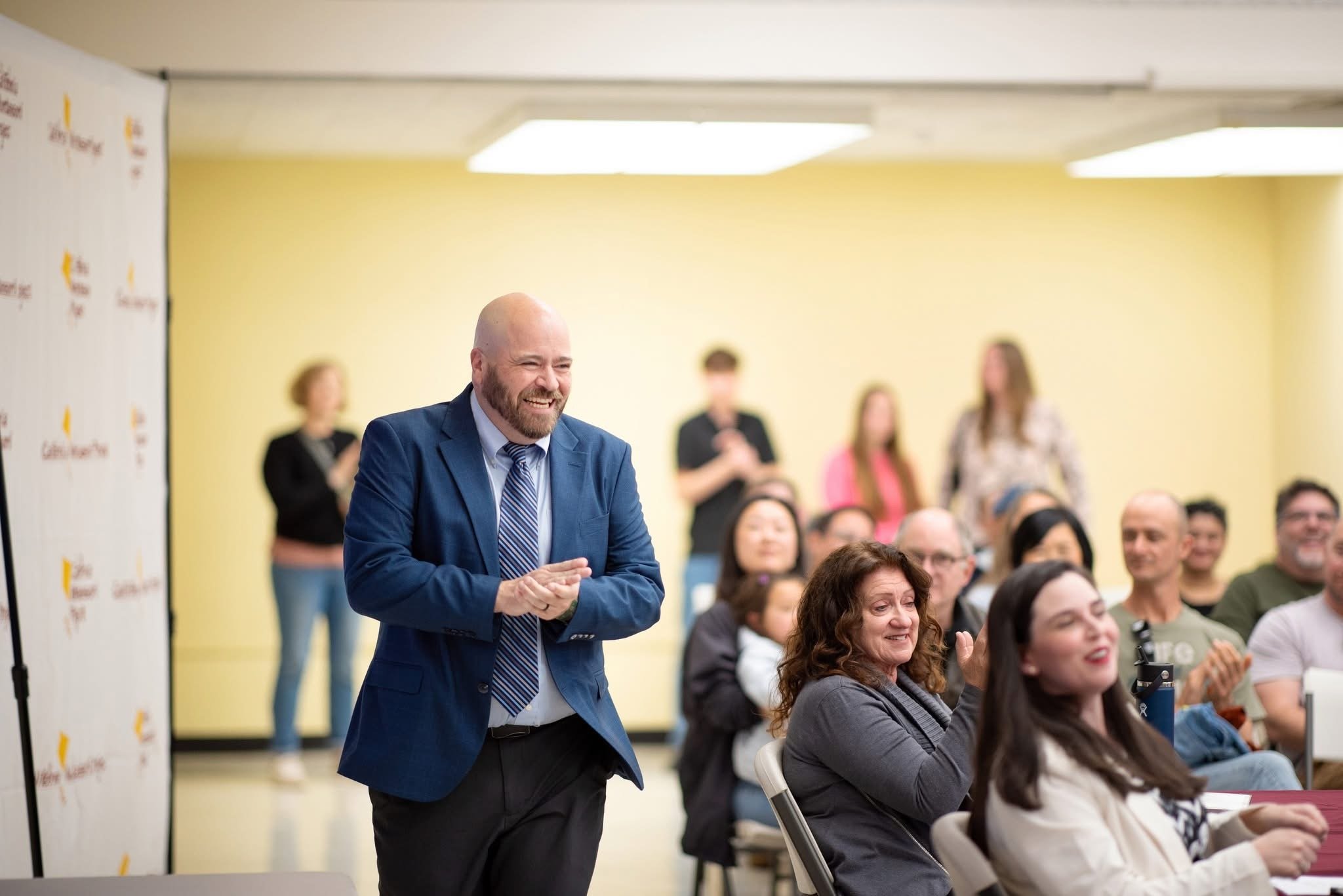
At Edgility, we know that great organizations need great leaders. That’s why we’re proud to spotlight our recent placement of Matt Taylor as Executive Director of the California Montessori Project...

At Edgility, our people are at the heart of everything we do. Each team member brings not only skill and expertise but also passion and care for the organizations and communities we serve. Serena Moy...
Episode 2 ofHire Ground Podcast In this episode, hosts Christina Greenberg and Josh Czupryk unpack how to define skills and profiles, leverage AI responsibly in your job search (from either side),...
%20Featured%20Blog%20Image%20(1200%20x620).png)
It’s a story I know all too well. I get a call from a panicked board member in November - or January or (gasp!) April - saying that their longtime, beloved charter school executive is leaving that...

Project Based Learning (PBL) has become a gold standard for many over the last 30 years, and no organization is a bigger champion of its merits than PBLWorks. Since 1999, PBLWorks has offered...
In recent years, “urgency” has begun to feel like a constant companion. While a sense of urgency can drive productivity and innovation, we can all agree that an environment where everything is deemed...
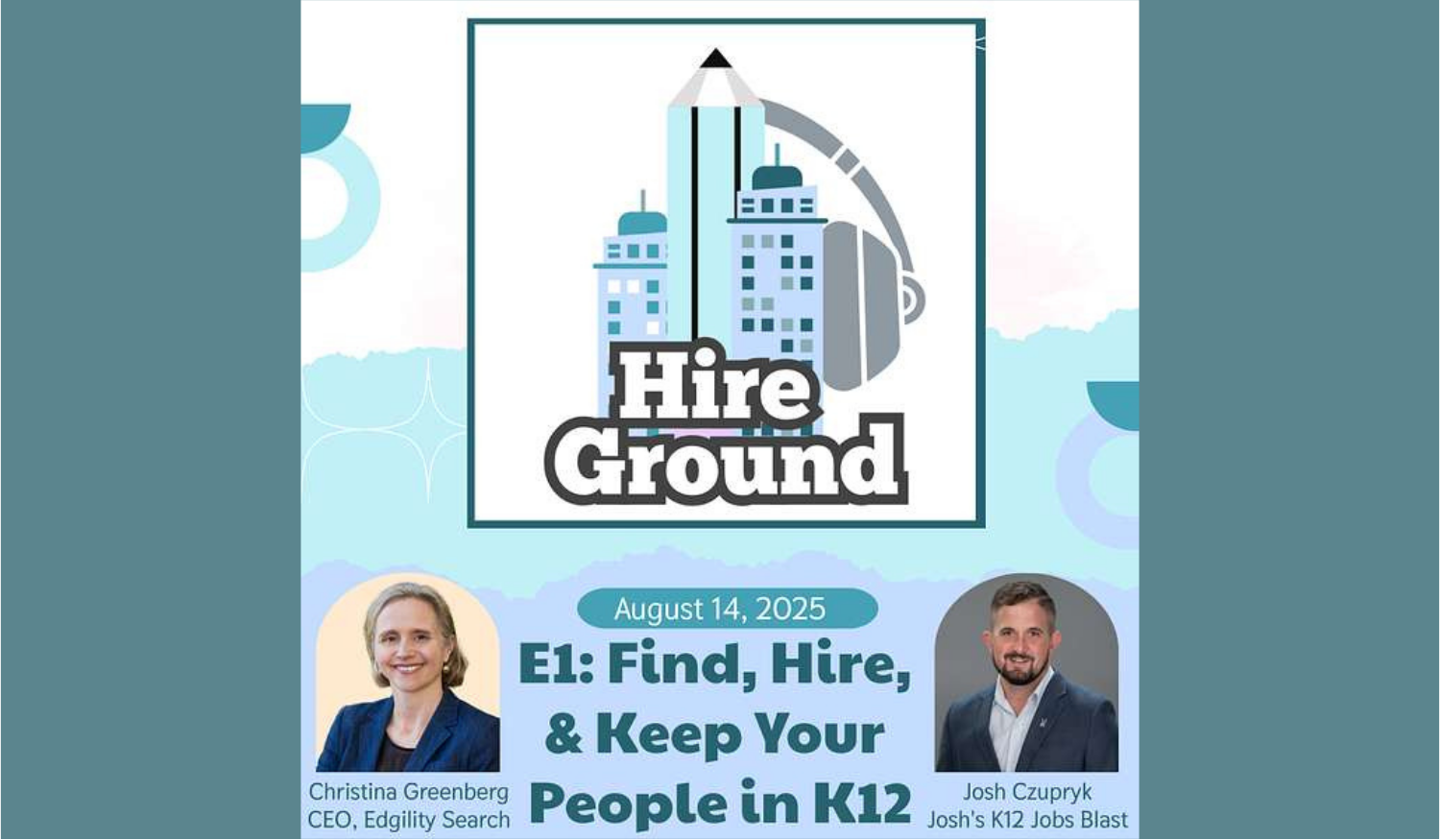
Episode 1 ofHire Ground Podcast When will superintendents, CEOs, principals, and faculty look for 2026-27? It's earlier than you think. Listen to Episode One to go on a journey toHire Groundwith ...

No matter what side of the political spectrum you are on, this moment is historic. A Black woman sitting on the Supreme Court for the first time in 232 years is groundbreaking, and Edgility is...

In recent years, there has been a surge in the number of Black-owned businesses and content creators who are making a name for themselves in various industries. These individuals are talented,...
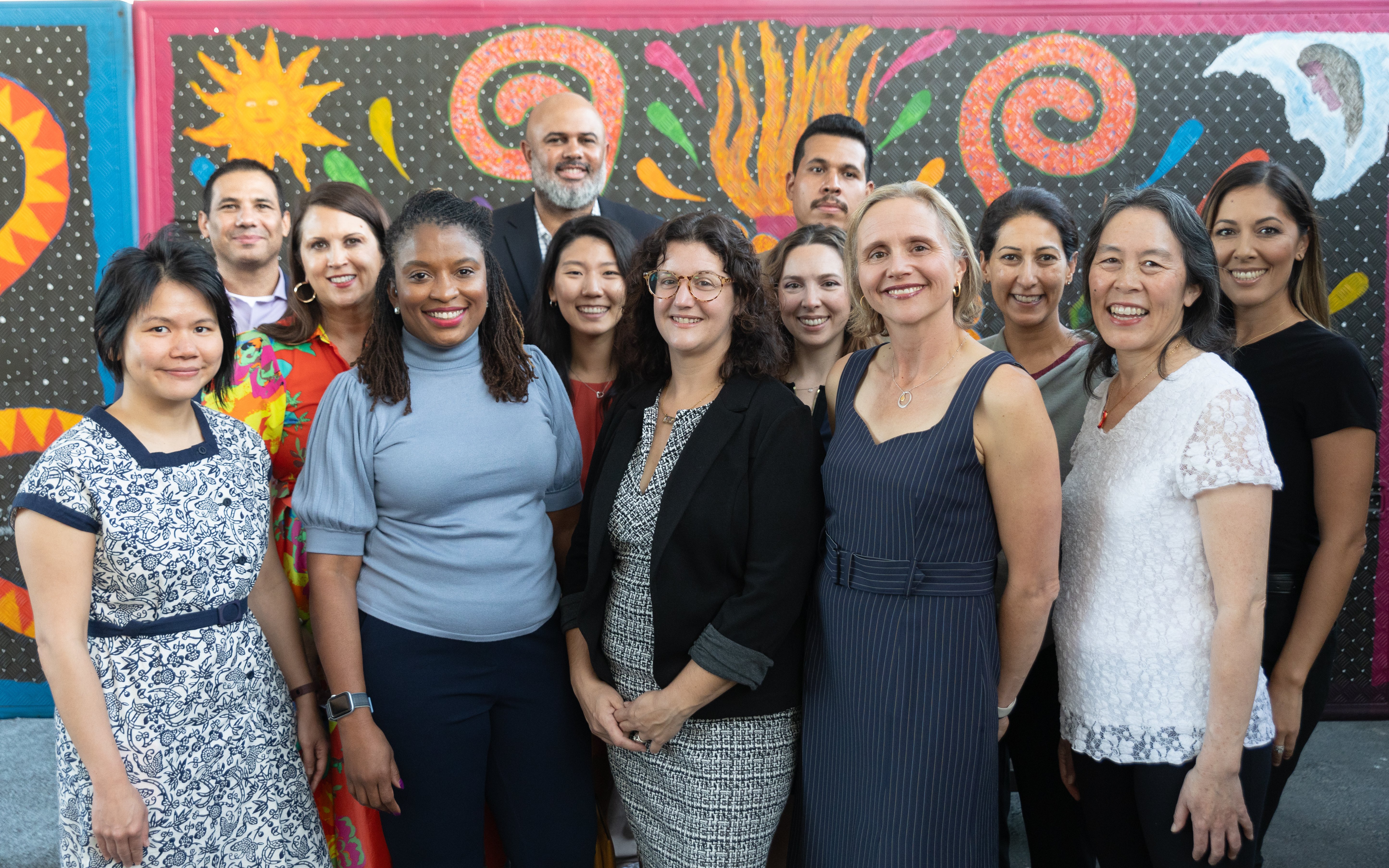
In October we hosted our first event in Oakland, California, an exciting event that brought together educators, education leaders, parents, and community members for a special evening of conversation...
If you're a talent professional in the education sector, things are likely a bit slower (read: more manageable) for you right now as all the people you hired for this school year settle into...
My colleagues and I regularly get called upon to help schools and education organizations find the best candidates to fill key positions in their organizations. We are skilled at combing our...
If you are like most people, when you see the word “conversion” you think of the process someone goes through when they are shifting money around among their retirement accounts or the experience of...
“They say that nobody is perfect. Then they tell you practice makes perfect. I wish they'd make up their minds.” - Winston Churchill My seven year old recently started playing piano. After...
What an amazing game against Japan! As I watched the USA Women’s Final World Cup game, I wondered how Jill Ellis (head coach) goes about choosing the right players for the team. There are young...

A Long-Standing Partnership Over the years Edgility and our team of experts have become trusted partners to the team at Value Schools. In fact, their emphasis on equal opportunities and outcomes...

Executive onboarding is a strategic process to help new executives integrate smoothly into their roles, maximize their impact, and align with company goals. Yet according to data from Gallup, one in...

Inclusivity is often looked at from two lenses: accessibility and diversity. These lenses often overlap in their interests, intents, and vocabularies. Accessibility in hiring practices refers to the...

Edgility is excited to offer a brand-new leadership evaluation service!

One of the most under-valued, but most important parts of any job search, is the job description. While some hiring teams may see the job description as a basic tool, at Edgility, we see it as more...
This webinar is a chance for fellow recruiters and talent professionals at all levels to explore sourcing topics and strategies using LinkedIn Recruiter. We’ll also leave time for questions...

Choosing who will succeed the current leader of an organization can weigh heavily on the minds of many Boards and executive teams. Yet when most organizations start the succession planning process,...

Many organizations succeed in building a diverse workforce, but it does not always result in diversity in leadership positions. Building a diverse leadership team takes time, intention, and a clear...
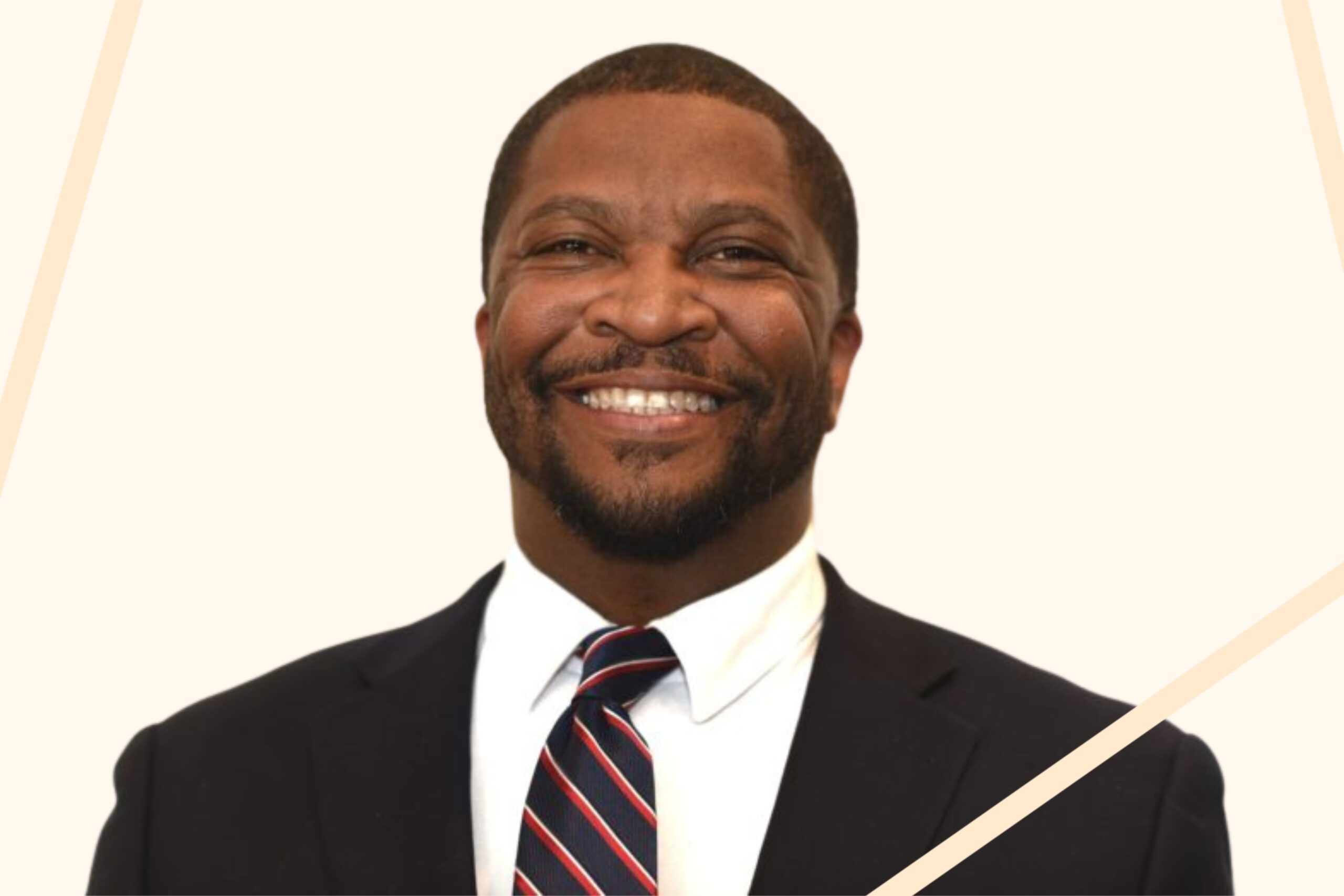
As the year comes to a close, I find myself reflecting on my past search projects. I appreciate this time of year, because I see it as a time to slow down and remember all of the amazing...

In the bustling landscape of New York City, an exceptional leader has emerged to steer the transformative journey of New Visions Charter High Schools (NVCHS). We are honored to highlight the recent...

Let’s be honest, the pursuit of a fulfilling career often involves navigating twists and turns, and occasionally, a complete overhaul of your professional trajectory. If you find yourself at a...

A diverse workforce is a successful workforce. In fact, according to McKinsey, diverse and inclusive corporations are 35% more likely to outperform their less diverse and inclusive competitors. And...

At Edgility our commitment to diversity and equity informs and influences everything we do, and holds our team accountable for reassessing traditional practices that create inequities in the hiring...

At this point, we should all be familiar with the pervasive influence of bias in our lives, whether it’s in our personal interactions or our daily conversations. As responsible individuals who...
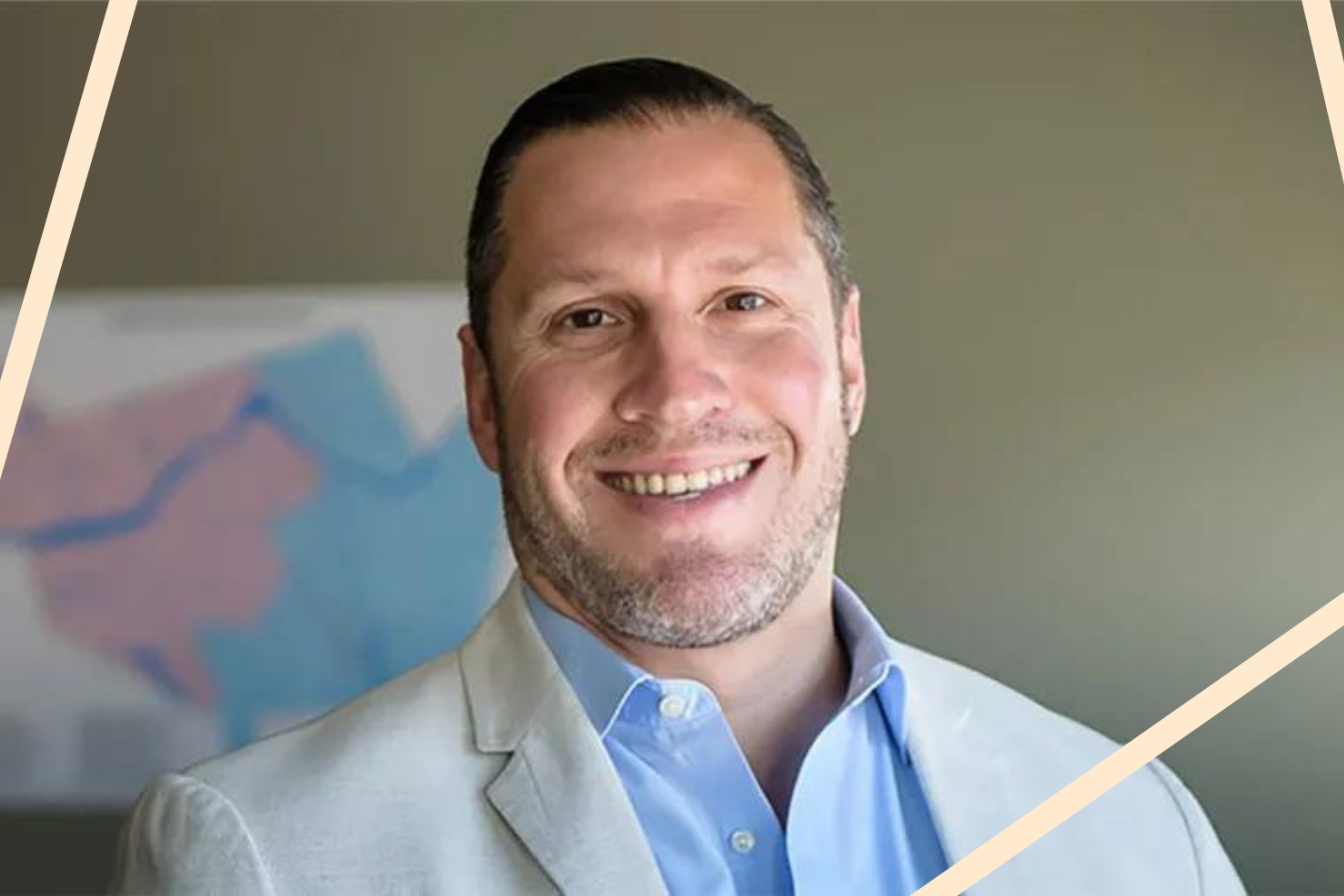
Mastery Schools has grown to be a network of 24 charter schools with 1,800 staff in Philadelphia and Camden. This network of schools provides a well-rounded, data-driven education to 14,000...

As recruiters and experts in finding leaders for social impact organizations, we know how important a board search committee is to the recruiting process. At Edgility, we have the privilege of...

Hiring a new leader is a decision that will have a significant impact on an organization’s future, and it is essential to get it right. Staff, board members, and other constituents each hold unique...