Celebrating AAPI Heritage Month: Members of Our AAPI ERG Honor Their Heroes
As we celebrate Asian American Pacific Islander Heritage Month, AAPI staff reflected on our heroes,...

Tap into our powerful network of purpose-driven leaders. We deliver a handpicked shortlist of top-tier talent, ready for you to take into your interview process.
Get much more than sourcing. Our dedicated team partners with you end-to-end, using our proven, objective process that blends leadership insight, community perspective, and candidate experience to take the guesswork out of hiring.
We don’t stop at the hire. Our tailored executive onboarding and evaluation, —rooted in discovery insights—aligns your new executive’s strengths with your organization’s needs, pairing coaching, communication strategies, and board partnership planning to set them up for long-term success.
We know how to lead with what’s right—even when it’s not common.
Driven by excellence, grounded in care.
At education sector gatherings and cocktail parties (yes, those do exist), people ask me the same question: are we in a CEO turnover crisis in the charter school sector?
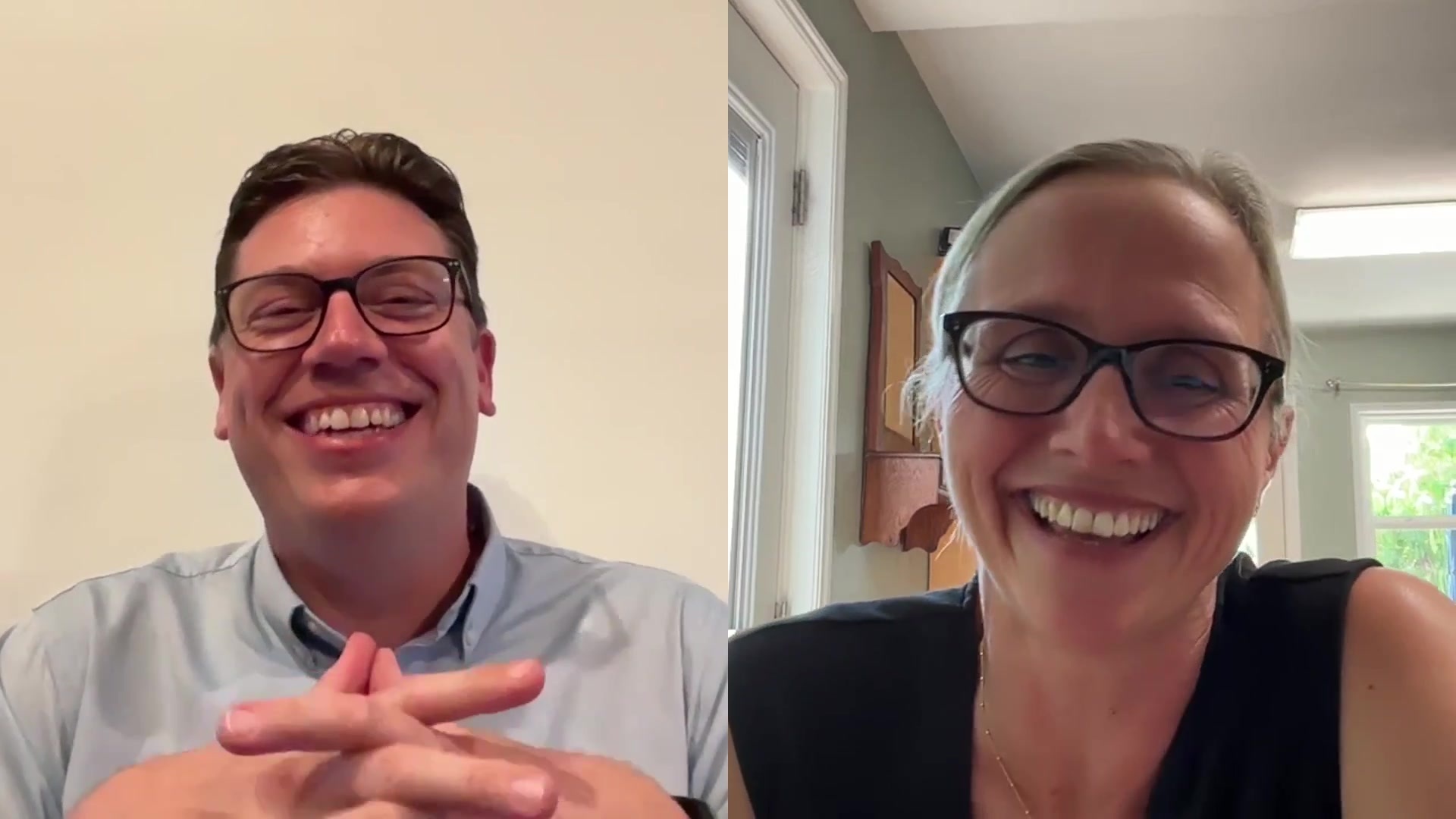
Although the lore is transitions have accelerated in recent years, I've never been sure that the data matched up. So when Eric Thomas, partner at Charter School Growth Fund, joined me on Hire Ground Podcast last season, I asked him.
He told me that when they looked into it, the data surprised even CSGF. Across the roughly 200 networks they support, CEO transitions have held steady at 5–8% a year for about a decade. Everyone expected a spike in 2020–2022 but it never showed up in the numbers.
CEO transition feels like a crisis because elements of it are real. Founder CEOs in CSGF's portfolio serve about 14 years on average. With many of our sector's most prominent orgs starting to hit that mark, Eric described the sector as being in its teenage years: a generation of long-tenured founders is passing the baton, many for the first time.
The job has also gotten harder. In our conversation, Eric called the charter CEO role three jobs at once: scaling entrepreneur, superintendent, and nonprofit executive director. Right now each one carries its own pressure, from learning recovery to political scrutiny of charters to federal uncertainty for nonprofits.
This pattern isn't just showing up in the data - I also see it in our searches. Ten years ago, the bar for success was running great schools that raised the bar on student achievement. Today, boards also need someone who can fundraise, navigate politics, and hold a dozen different audiences together. And when a transition goes wrong, it compounds. We have all seen boards that had to go back to market within a year or two of a hire. One messy handoff can cost an organization years.
Mark DiBella, CEO of YES Prep in Houston, has a frame I've been repeating since Eric shared it with me. The CEO job has three parts: how you enter, how you serve, and how you exit. Get the exit wrong and you've missed one out of three. On any test, hitting 66% of your marks is a D.
Most CEOs don't think about their exit until it's urgent. That's human, and the job is all-consuming. But a good transition can take two to three years start to finish. Waiting until the eleventh hour means the most important conversations happen under the most pressure.
According to Eric, Mark's commitment to his team was that when his time comes, multiple people will be ready to do the job, and do it better than he did. His team is doing deliberate work now to give senior leaders CEO-level experience. That's also one of the best retention tools I know. Not everyone on that team will run YES Prep. But they'll be ready to run something and grateful to have had the opportunity to stretch their skills and receive honest, relevant feedback on their readiness.
You don't need a search firm like ours to begin (though of course our team at Edgility Search is happy to talk with anyone who'd like thought partnership). You do need a few honest conversations, though.
Founders build organizations meant to outlast them and although it seems contradictory, planning the exit is how they make sure that happens. If you're a CEO or board chair who hasn't had the first conversation yet, have it this year. It won't lock you into a timeline. It just means your organization's future doesn't depend on luck.
Listen to Christina's full conversation with Eric on Hire Ground.